


A good fish finder won’t catch trout for you, but it will help you understand the underwater world in ways that simply weren’t possible a few years ago.
In this episode, Wade Van Pelt and Phil Rowley dig into fish finder mounts, portable sonar systems, and how today’s technology makes it easier than ever to use your electronics no matter what watercraft you fish from.


Find the show: Follow the Show | Overcast | Spotify
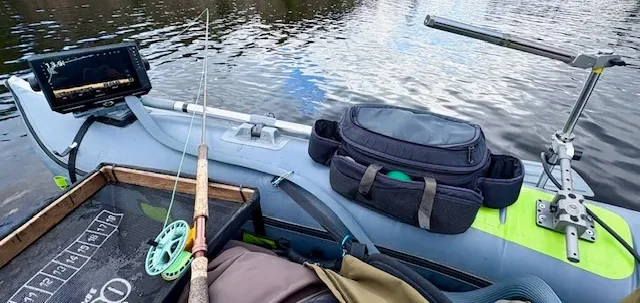
Show Notes with Wade Van Pelt on Fish Finder Mounts
Phil Rowley is joined by Wade Van Pelt, CEO of Fish Finder Mounts, to talk about the evolution of portable fish finder systems. We cover Wade’s journey from a float tube angler with an idea to building a company that now supports everything from float tubes and pontoon boats to rental boats, aluminum boats, and larger fishing rigs. We also get into battery technology, transducer mounting, portability, and why having your own sonar setup can completely change the way you approach Stillwater fishing.
Listener Question: When Should You Fish a Midge Tip Line?
(02:30) Phil answers a question from Peter in Colorado about whether a floating line can replace a midge tip once the indicator comes off. While fishing a floating line with a long leader (often called naked technique fishing) certainly works, Phil explains why a midge tip remains one of the most versatile fly lines for stillwater anglers.
- A midge tip helps maintain better contact with your flies, especially in windy conditions.
- Clear intermediate and hover tip versions each serve different depths and presentations.
- The original 3-foot clear intermediate tip is Phil’s recommended starting point.
- Hover tips excel when fishing shallow water slowly over weed beds.
- Midge tips also perform well for deep-water presentations with long leaders and slow retrieves.
- They can even be used with teams of dry flies, allowing the flies to fish on the surface before gradually sinking into the film for an emerger presentation.
Phil also shares examples from fishing Colorado lakes, shallow weed beds at Henry’s Lake, and deep bloodworm-feeding trout using a 26-foot leader, demonstrating just how versatile a midge tip line can be.
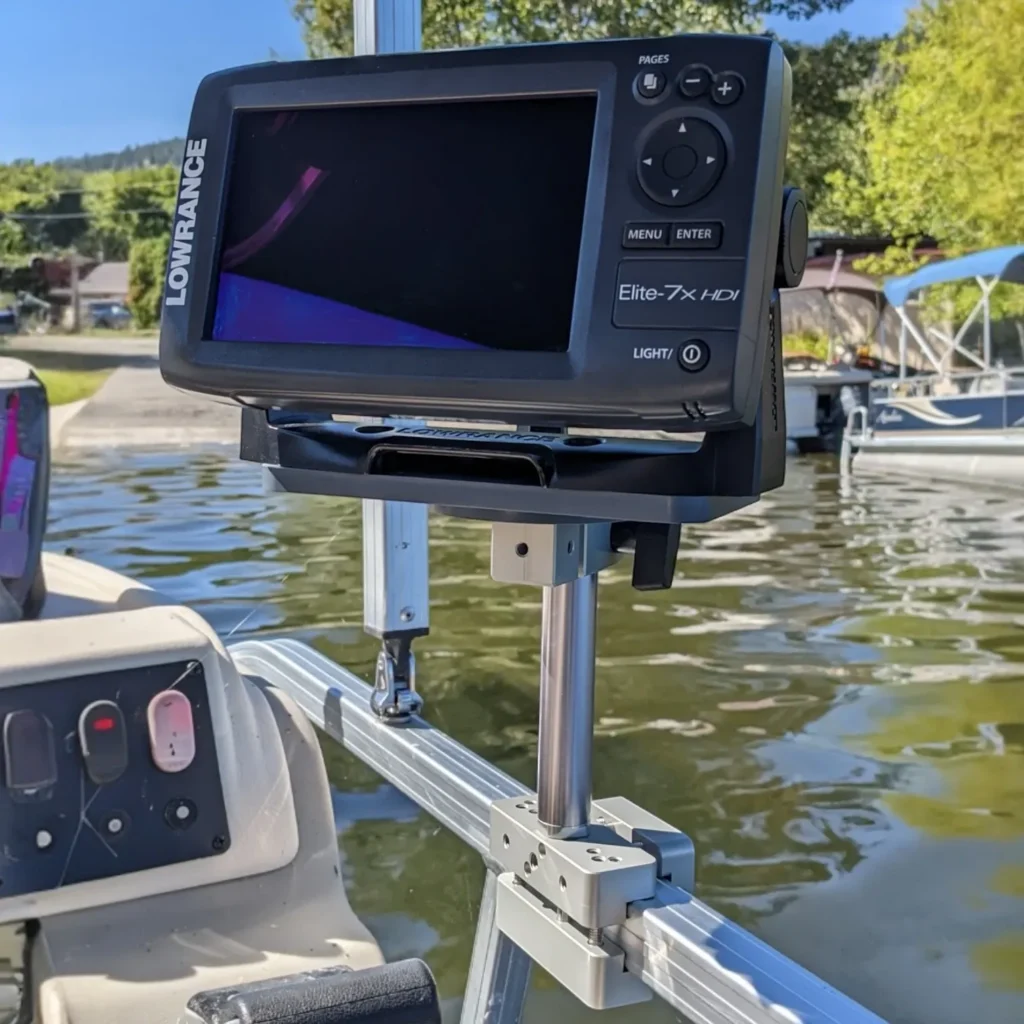
How Fish Finder Mounts Began
(09:49) Wade shares how Fish Finder Mounts started with a simple observation on the water. After seeing another angler using a Humminbird Fishing Buddy on a float tube, he liked the idea but thought the setup was bulky and impractical.
Looking for a side business a few years later, Wade realized there were very few fish finder systems designed specifically for float tubes and other small watercraft. So he teamed up with his longtime friend to build a better solution.
What started as a solution for float tubes eventually expanded to support a wide range of watercraft, including models from Outcast Sporting Gear and other popular fishing boats.
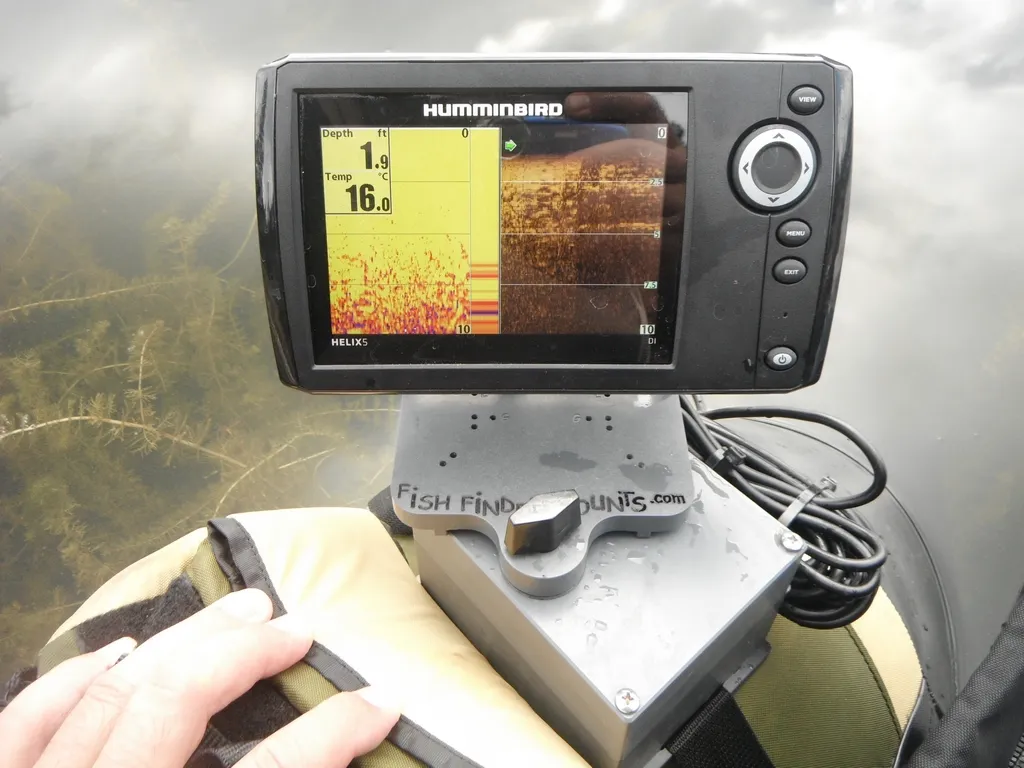
Building the First Fish Finder Mount
(17:00) Wade says the early design came down to solving three challenges:
- Building a compact battery system that could power a fish finder all day.
- Creating one mount that worked with Garmin, Humminbird, Lowrance, and other major brands.
- Protecting expensive transducers during launching and landing.
He explains how the first battery box was built around a 2.9 amp-hour sealed lead-acid battery before the company eventually switched to lighter, more efficient LiFePO₄ batteries.
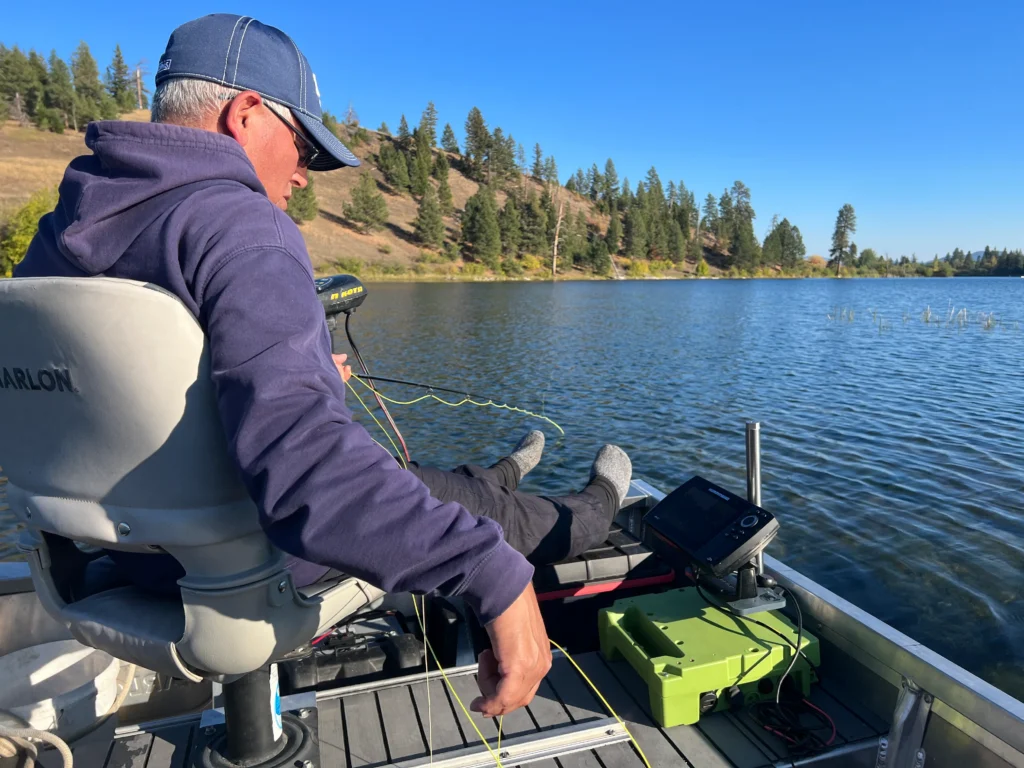
From Lead-Acid Batteries to Modern Lithium Power
(18:30) The original Fish Finder Mounts systems used compact sealed lead-acid batteries because they were reliable, affordable, and capable of powering a fish finder for a full day on the water.
As battery technology improved, the company transitioned to lithium iron phosphate (LiFePO₄) batteries, which are about one-third lighter, offer longer service life, and provide a much safer option than traditional lithium batteries in wet environments.
Wayde explains that while standard lithium batteries were initially considered, LiFePO₄ became the preferred choice because of its improved safety, durability, and growing adoption throughout the outdoor industry. Today, it powers the portable systems anglers rely on without adding unnecessary weight to their float tubes or pontoons.
A Mount That Protects Your Transducer
The first design solved more than just mounting a fish finder. Wade wanted a system that protected the transducer too.
The transducer mounts to the same strap that holds the power box. A simple wing nut lets you tilt it out of the water when launching or dragging your float tube, helping prevent damage before you even start fishing.
The mount also includes a rotating bracket, making it easy to adjust the screen on watercraft that don’t have a traditional dashboard or mounting surface.
When Humminbird introduced color screens and later down imaging, anglers wanted better sonar and clearer underwater detail. Wade says that shift came at the perfect time.
Fish Finder Mounts evolved alongside the technology, supporting different fish finder brands and matching each unit with the right battery and power system. That means anglers can choose the electronics they want instead of being locked into one setup.
Choosing the Right Setup
(32:12) When someone contacts Fish Finder Mounts, Wade says he only needs two pieces of information:
- What watercraft are you using?
- What fish finder do you have, or plan to use?
With that information, they can recommend the right mount and battery combination.
The Magnetic Transducer Mount
One of Wade’s biggest innovations came from an unlikely place: a magnetic fish tank cleaner. That idea led to a patented magnetic transducer mount that replaces unreliable suction cups.
The magnetic mount:
- Installs in seconds without drilling holes.
- Slides easily to the correct position.
- Holds securely while remaining fully portable.
- Works especially well on rental boats and small aluminum boats.
Phil recalls losing an expensive transducer when a suction cup let go. He says the magnetic mount solved that problem completely.
Connect with Wade
Fish Finder Mounts Website: https://fishfindermounts.com/
Fish Finder Mounts Instagram: https://www.instagram.com/fishfindermounts.com_/
Fish Finder Mounts YouTube: https://www.youtube.com/@Fishfindermounts
Wade’s Facebook Page: https://www.facebook.com/wade.vanpelt.9
Sponsors and Podcast Updates
Conclusion with Wade Van Pelt on Fish Finder Mounts
Portable sonar has changed the way many Stillwater anglers approach unfamiliar lakes. Wade Van Pelt explains how Fish Finder Mounts grew from solving one simple float tube problem into creating portable mounting systems that now support nearly every type of fishing boat and today’s most advanced sonar technology.