

Strike indicator techniques for stillwaters can be one of the most effective ways to control the depth and speed of your flies.
In this Littoral Zone episode, Phil Rowley takes us through his indicator system, from choosing the right indicator and building leaders to setting exact depth and casting long rigs. We also get into bobber stops, swivels, depth locators, and the naked technique with long leaders and weighted flies.
Phil also answers Brad from Arizona’s questions about anchor rope length and shares practical tips for getting your flies to fish at the depth and speed you intended.


Find the show: Follow the Show | Overcast | Spotify
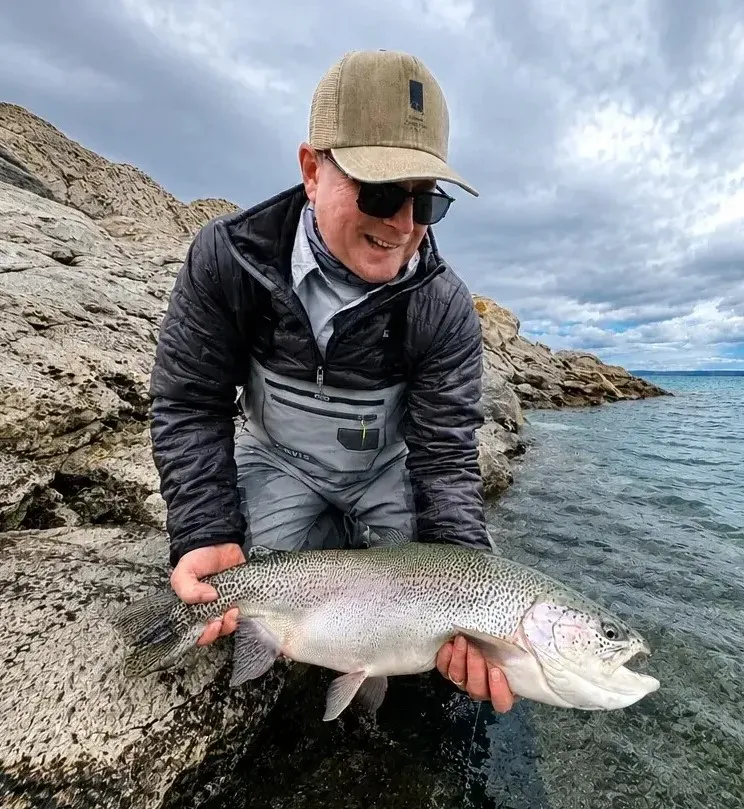
Show Notes with Phil Rowley on Strike Indicator Techniques for Stillwaters
Phil Rowley breaks down the full indicator system he uses on lakes, including dry-dropper rigs, yarn and fixed indicators, quick-release indicators, long rods, specialized floating lines, level leaders, ESP tippet, swivels, bobber stops, and depth locators. He also explains how wind, water clarity, fly weight, fish behavior, and fishing depth change the setup and presentation.
Listener Question: The Naked Technique, Long Leaders, and Bead Weight
(01:56) Phil answers Brad’s question about anchor rope length for a British Columbia fishing trip, then breaks down the naked technique and how he balances sink time, leader length, retrieve speed, and fly weight.
- 50 feet of anchor rope is Phil’s standard, with 100 feet as a backup for unusually deep water.
- He starts with a 30-second sink and adjusts in 15-second increments based on depth and fish behavior.
- His standard leader is about 25% longer than the target depth, such as 20 feet of leader for 16 feet of water.
- Brass beads are his usual choice for the slow, horizontal retrieve, while small tungsten beads can help with smaller flies and windy conditions.
- As wind increases, Phil may use finer tippet, RIO Micro Swivels, or split shot to improve the presentation.
- Long leaders are manageable with smooth power and good rod stops. Phil notes that his son Brandon cast 18- to 20-foot leaders at just eight to ten years old.
Why Strike Indicators Work So Well for Stillwater
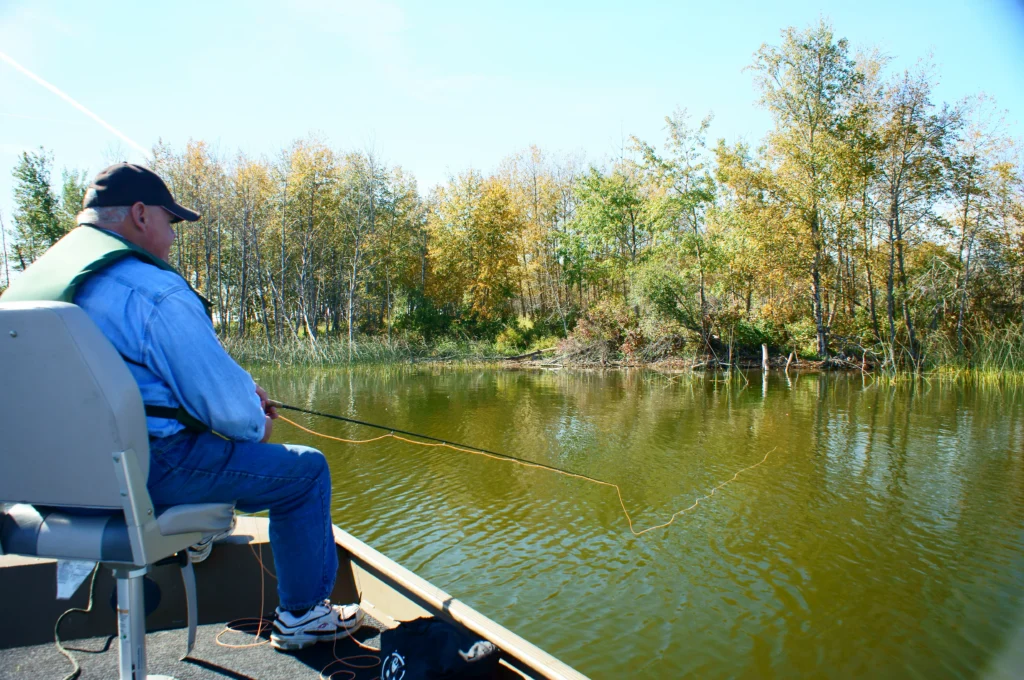
(13:04) Phil explains why strike indicators are so effective on stillwater, giving anglers precise control over depth and retrieve speed. Once the fly reaches the set depth, it stays there, while surface chop can add movement without the angler retrieving.
Phil started indicator fishing with chironomid larvae and pupae and now uses indicators for a range of flies, especially around shallow weed pockets. He prefers fishing them in 15 feet or less but has successfully reached depths of 25 to 26 feet.
He prefers indicators in 15 feet of water or shallower, but has successfully fished them as deep as 25 to 26 feet. They are useful in windy conditions and around weed beds, and the technique works for walleye, lake whitefish, and bass, including Soggy Waders.

Strike Indicator Setups: Dry Flies, Yarn, and Quick-Release
(26:58) Phil covers several indicator options, including dry-dropper and washing-line setups. He describes using the washing-line approach with Curtis from Fly Fish Food, slowly retrieving an adult damsel and nymph toward shore to imitate their movement.
Yarn and New Zealand wool indicators work well in clear, shallow water because they land softly and create less disturbance. Phil also covers fixed-position indicators, including traditional Corkies and OROS Strike Indicators, which are ideal for shorter depths.
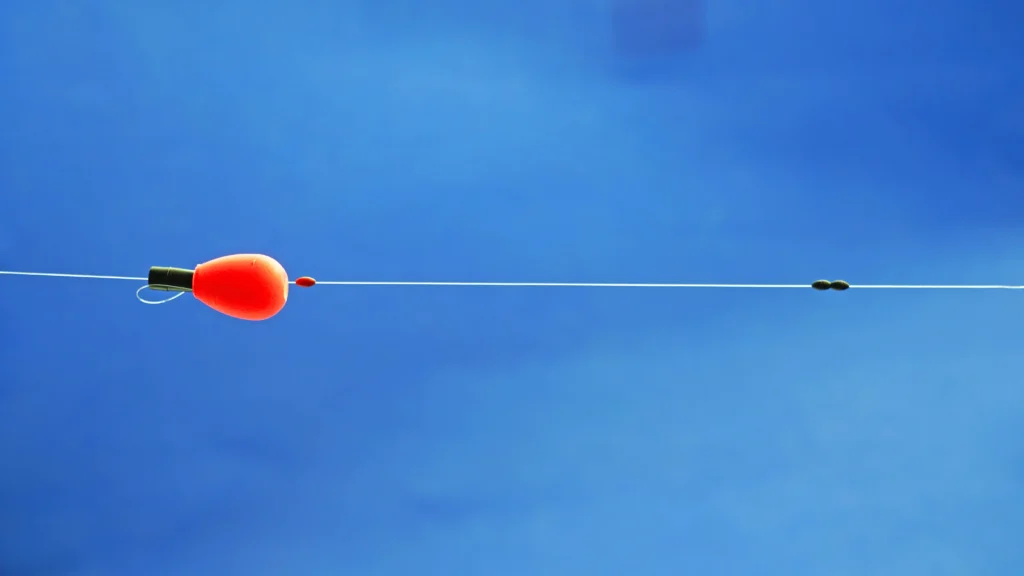
For deeper water, Phil favors Quick Release Indicators, which release when a fish is hooked and slide down the leader. He recommends a ½- to ¾-inch leader loop, with the black peg toward the fly and a nearby swivel acting as a stopper.

Choosing the Right Indicator: Light, Water, and Fish Behavior
(38:50) Phil explains how light, water conditions, fishing depth, fly weight, and fish behavior influence indicator choice. He recommends using the smallest indicator you can see and adjusting the size when choppy water makes visibility difficult.
Indicator color can also affect visibility depending on the light and the angler. For shallow, clear water, Phil favors subtle options such as yarn, New Zealand-style indicators, or dry flies.
He also explains how heavy flies can pull smaller indicators under and how tapered indicators can help detect soft takes when trout are feeding cautiously.
Long Rods and Fly Lines for Indicator Fishing
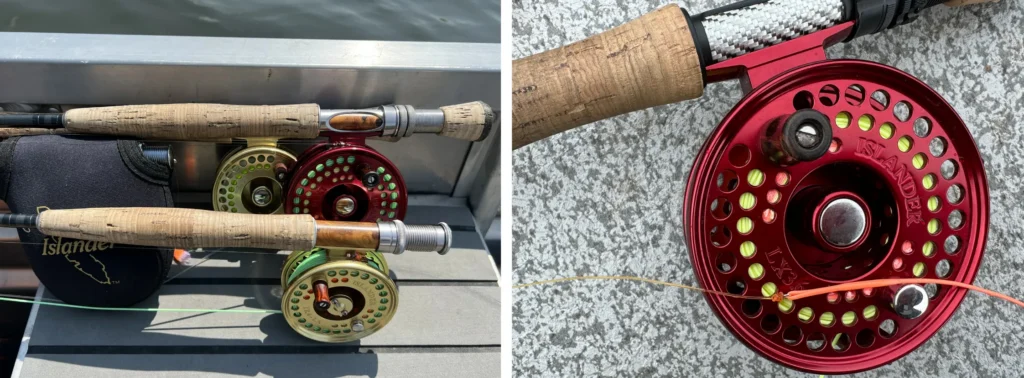
(44:56) Phil favors 9.5- to 10-foot rods with moderate-fast action for indicator fishing. Longer rods make roll casting easier, allow greater indicator-to-fly separation, and help steer fish around anchors. When fishing deep, he keeps the indicator closer to stay connected to subtle takes.
From shore, Phil prefers an 11-foot, 3-inch switch rod and discusses the Lake Chucker line from Pyramid Fly Company for turning over indicator rigs. He also explains why indicator fishing requires an aggressive, front-loaded fly line, highlighting his RIO Ambassador Series and its short front taper, integrated tippet ring, and quick line-change system.
Building a Level Indicator Leader and the Adjustment Zone
(58:58) Phil calls the leader the most critical part of indicator fishing. He prefers a level-diameter leader below the indicator because tapered leaders can sink in an arc and leave the fly shallower than the measured depth.
His preferred RIO Indicator Leader is 10 feet long, with a short three-foot butt section and about seven feet of level leader. He generally uses 2X, 3X, or sometimes 4X.
The complete leader includes an indicator-leader foundation, an adjustment zone, and a final tippet section. A barrel swivel separates the adjustment zone from the final tippet.
Phil changes fishing depth by adding or removing material from the adjustment zone. He shares a Manitoba example where replacing a conventional tapered leader with a level setup immediately improved his partner’s chironomid fishing.
Watch Stillwater Fly Fishing with Phil Rowley Using Chironomids.
Low-Stretch Tippet (ESP) & Swivel Connection Benefits
(1:09:30) At 18 feet and deeper, leader stretch can prevent a quick-release indicator from releasing cleanly. Phil switched from braid to RIO ESP Tippet, which stretches only about 3% and now serves as his adjustment zone.
Phil uses small barrel swivels to add weight, reduce twist, keep the leader vertical, and prevent a released indicator from sliding off. He generally chooses the smallest swivel possible.
Swivels can also help locate feeding fish during chironomid fishing. If trout repeatedly target the swivel, Phil takes it as a clue about their depth or attraction to flash. In shallow, clear water, he may remove the swivel and other sources of flash. Phil learned this deep-water approach from Ernie Gulley Fly Fishing at Crowley Lake.

Three Bobber Stops and Surgical Depth Control
(1:18:20) Phil explains how he uses three of bobber stops to mark fishing depth and reset a quick-release indicator. He places the stops before the indicator, adjustment zone, barrel swivel, final tippet, and point fly, with two stops working together to hold their position securely.
He also explains how he measures exact bottom depth using a depth locator. Phil starts about one foot off the bottom and works upward in one-foot increments, using a 3/4-ounce weight on hard bottom and 1/2 ounce over soft mud to prevent the weight from sinking too deeply.
For fixed indicators, Phil explains how OROS Strike Indicators can be secured with the three-stop setup. The third stop marks the indicator position so it can be reset after a release, while the first two preserve the measured depth.
Shore Depth Measurement & Indicator Maintenance
(1:30:00) Phil explains how to determine indicator depth from shore using shoreline angles and basic trigonometry, or by casting a Depth Locator to find the bottom and adjust the setup from there.
He also shares simple ways to extend the life of indicators, including using super glue or nail polish to protect painted surfaces. For worn Quick Release Indicators, he recommends using black electrician’s tape to build up the peg so it can keep releasing properly while fishing.
Casting Indicator Rigs & Retrieve Techniques
(1:40:40) Phil reviews the basics of casting indicator rigs, emphasizing minimal false casts, shooting the line, and using the roll cast whenever possible. He also recommends watching how the indicator, swivel, and flies land so tangles can be identified and corrected early.
He then covers four basic retrieves: static, hand-twist or pinch strip, six- to twelve-inch strips, and an upwind presentation. Phil explains how static presentations work well in cold water, while slow retrieves and upwind casts can help cover more water and trigger takes.
About Phil Rowley
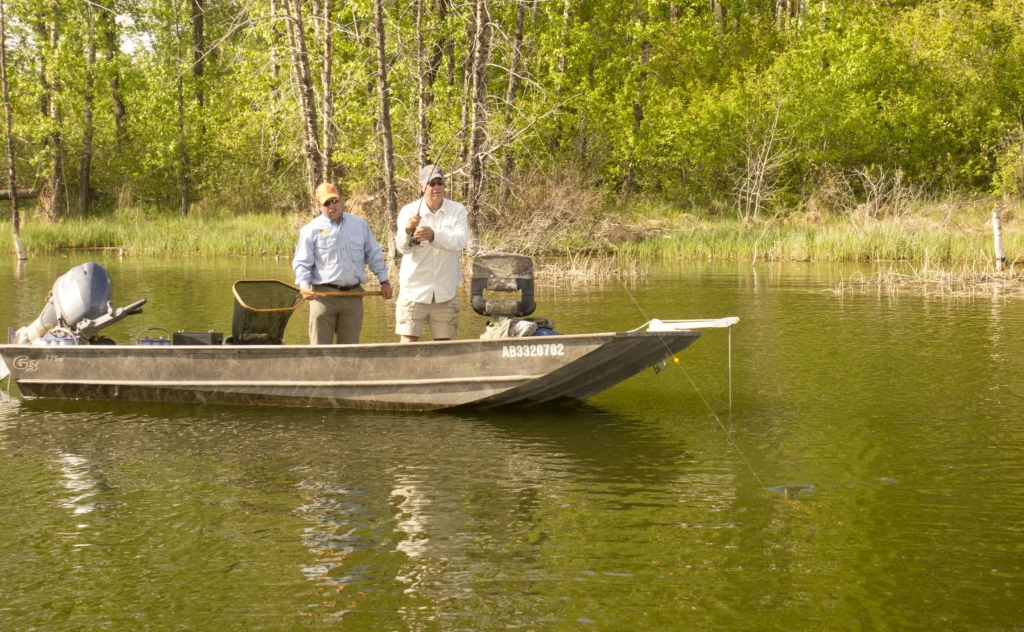
Phil Rowley is the host of the Littoral Zone and a longtime stillwater fly angler who has refined lake-fishing techniques across British Columbia, Alberta, Argentina, Pyramid Lake, and Crowley Lake. His approach focuses on exact depth, natural presentations, and clean leader construction.
Phil has also worked with RIO on stillwater fly lines designed for indicator rigs and long-leader presentations. Throughout this episode, he draws on decades of guiding, hosted trips, and experimentation on lakes.
Connect with Phil Rowley
Website: https://philrowleyflyfishing.com/
Instagram: @philrowleyflyfishing
Facebook: Phil Rowley Fly Fishing
Youtube: Phil Rowley Fly Fishing

Sponsors and Podcast Updates
Strike Indicator Techniques for Stillwaters Resources Noted in the Show
- Pyramid Fly Fishing Company: PyramidflycoPyramid Fly Co. | Premier Fly Fishing Guides at Pyramid Lake, NV

- Stillwater Fly Fishing Store: Phil Rowley & Brian Chan’s Stillwater Fly Fishing Store
- Addison Rook Soggy Waders: (541) 342-7005 | @soggy.waders
- Ernie Gulley: Ernie Gulley Fly Fishing: Guided Crowley Lake Fly Fishing
- Golden Fly Shop: https://www.goldenflyshop.com/
Conclusion with Phil Rowley on Strike Indicator Techniques for Stillwaters
Phil Rowley’s approach shows how much there is to indicator fishing beyond simply suspending a fly beneath a bobber. Choosing the right indicator, leader, depth, and presentation can make a big difference in keeping flies in the strike zone and detecting subtle takes.
These techniques give anglers more ways to adapt their indicator setup to different flies, water conditions, and fish behavior. With a thoughtful approach, indicator fishing becomes a versatile tool for targeting trout throughout the stillwater season.